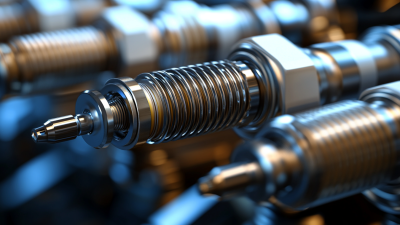
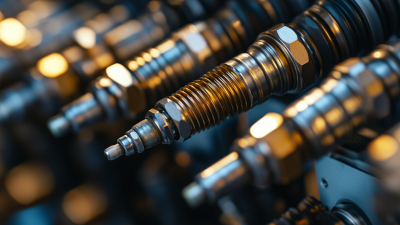
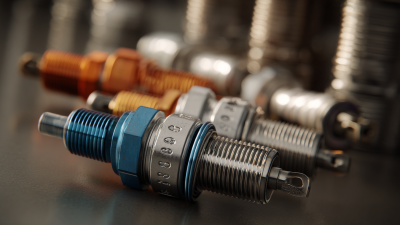
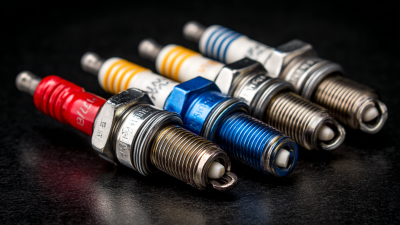
Picking the right spark plugs for your car is actually pretty important if you want it to run smoothly. High Performance Spark Plugs, in particular, can make a noticeable difference in how well your engine performs. I mean, just listen to what John Smith from PerformanceSpark says—he's pretty knowledgeable: “The right spark plugs ignite fuel more efficiently, leading to a smoother, more reliable engine run.”
A lot of car enthusiasts tend to underestimate just how much of a role high performance spark plugs really play. They often overlook stuff like heat range and electrode material, which are actually pretty important in figuring out how your engine will perform. Keep in mind, not every spark plug is a one-size-fits-all—each vehicle has its own specific needs.
Honestly, it’s never a bad idea to talk to a pro or do a bit of digging online. Reviews, expert advice, that kind of thing—these can really point you in the right direction. That said, be careful not to get pulled in by all the marketing hype—there’s a lot of misinformation out there. Take your time, read up, and learn what your car actually needs—trust me, it’s worth it.
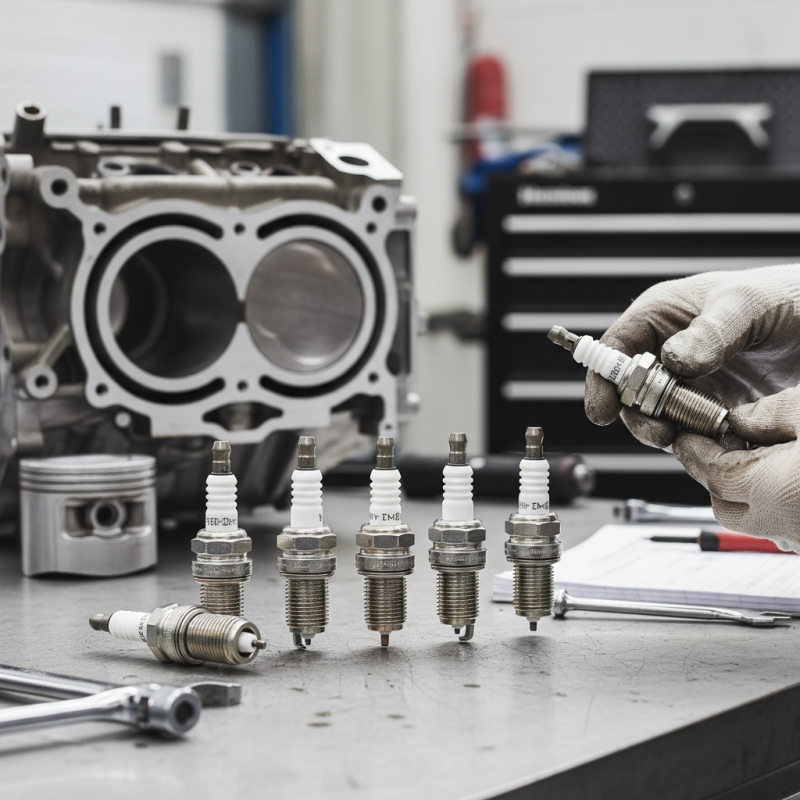
Understanding Spark Plugs: Functions and Importance in Your Car
Spark plugs play a critical role in your car's engine. They ignite the air-fuel mixture in the combustion chamber. This process generates power for your vehicle. According to a report by the Society of Automotive Engineers, spark plug efficiency directly influences engine performance. A poorly functioning spark plug can lead to misfires and reduced fuel efficiency.
The importance of spark plugs cannot be overstated. They impact emissions control as well. If spark plugs fail, your car may produce higher levels of harmful gases. In fact, emissions can increase by up to 50% with worn-out plugs. Regular maintenance can help prevent these issues. Many car owners overlook this aspect, leading to costly repairs down the line.
Choosing the right spark plugs can be tricky. Materials like platinum and iridium improve longevity and performance. However, not every spark plug suits every engine type. Understanding your vehicle's specifications is crucial. Some plugs may fit incorrectly, causing overheating or misfiring. Ignoring the right choice can lead to engine damage, and that’s a risk no driver should take.
High Performance Spark Plugs Comparison
This chart compares the performance ratings of different types of spark plugs: Copper, Platinum, Iridium, and Double Platinum. Higher performance ratings indicate better efficiency and longevity in engine performance.
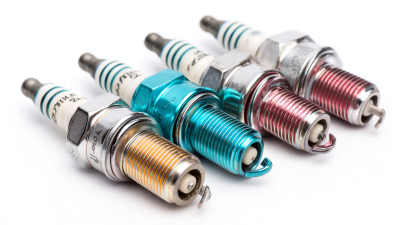
Types of High Performance Spark Plugs Available on the Market
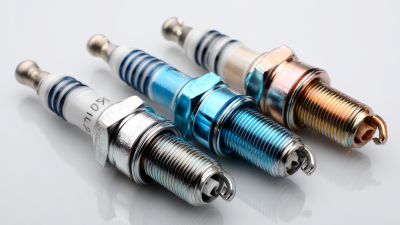
When selecting high-performance spark plugs, it's essential to consider the various types available. There are mainly two categories: copper and iridium. Copper plugs offer great conductivity but wear out quicker. Their longevity is a concern. Iridium plugs, on the other hand, offer durability and can withstand high temperatures. This makes them ideal for performance motors. However, they can be pricier.
Another type is Platinum Spark Plugs. They balance performance and longevity well. They provide good ignition and are more resistant to wear than copper. However, they don’t match the heat resistance of iridium. You might find that their efficiency improves fuel consumption. There are also multi-spark plugs that create multiple sparks for better combustion. This can lead to increased power and smoother engine operation.
Choosing the right type requires careful consideration of your driving style and vehicle needs. Not every spark plug type suits every engine. Performance may drop if the wrong plugs are installed. It's vital to research before making a decision. You need to weigh the benefits against your budget and engine requirements. Analyze your choices critically to ensure optimal performance.
How to Choose High Performance Spark Plugs for Your Car? - Types of High Performance Spark Plugs Available on the Market
| Type of Spark Plug | Material | Heat Range | Performance Characteristics | Typical Applications |
| Copper Core | Copper | Standard | Excellent conductivity, good for standard performance | Classic cars, daily drivers |
| Iridium | Iridium | Cold | Longer lifespan, better performance in extreme conditions | Sport cars, high-performance vehicles |
| Platinum | Platinum | Medium | Durable and reliable, good wear resistance | Luxury cars, vehicles with longer service intervals |
| Double Platinum | Double Platinum | Standard | Reduced gap wear, suitable for high mileage engines | Fleet vehicles, high mileage cars |
| Sports Plug | Nickel | Cold | Enhanced throttle response, better combustion efficiency | Racing, motorsport applications |
Key Features to Look for in High Performance Spark Plugs
Choosing high-performance spark plugs is essential for optimizing engine performance. Consider the materials used. Copper, platinum, and iridium are popular choices. Copper has fast conductivity but wears out quickly. Platinum offers durability but is less effective in extreme conditions. Iridium combines the best of both worlds, delivering longevity with excellent performance.
When selecting spark plugs, pay attention to heat range. It determines how well the spark plug can manage engine temperature. A spark plug too cold can cause fouling, while one too hot risks pre-ignition. According to industry reports, the right heat range can improve fuel efficiency by up to 5%.
Tip: Always consult your vehicle manual for the correct specifications.
Electrode design also matters. Fine wire electrodes allow for a better spark, improving combustion efficiency. A good spark plug should provide stable ignition under various conditions. Look for designs that help with misfire prevention. This can be crucial for high-performance engines.
Tip: Replace spark plugs every 30,000 to 100,000 miles, depending on the type used. Regular checks can save you from bigger engine problems later.
Some might overlook the importance of proper gap settings. Too wide or too narrow gaps can result in poor performance. Ensuring correct gaps can lead to smoother engine operation and better acceleration.
How to Determine the Right Spark Plug Heat Range for Your Car
Choosing the right heat range for your spark plugs is crucial for your vehicle's performance. The heat range refers to how quickly a spark plug can transfer heat from the combustion chamber to the engine. A plug that runs too hot can cause pre-ignition and engine knock. On the other hand, a cold plug might not reach the temperatures needed to burn off deposits effectively.
To determine the right heat range, consider your driving conditions. If you drive aggressively or at high RPMs, a colder plug might be necessary. Conversely, if your driving is mostly highway cruising, a hotter plug could work better. Look for signs of engine trouble, like misfires or rough idling; these can indicate an incorrect heat range.
It’s also worth noting that the installation process matters. Improperly gapped plugs can lead to performance issues regardless of heat range. Occasionally, trying different spark plugs can yield surprising results. Experimentation may reveal what truly optimizes your engine’s performance. Adjusting the heat range is not a one-size-fits-all process, so remain open to learning from your car's behavior.
Installation Considerations for High Performance Spark Plugs
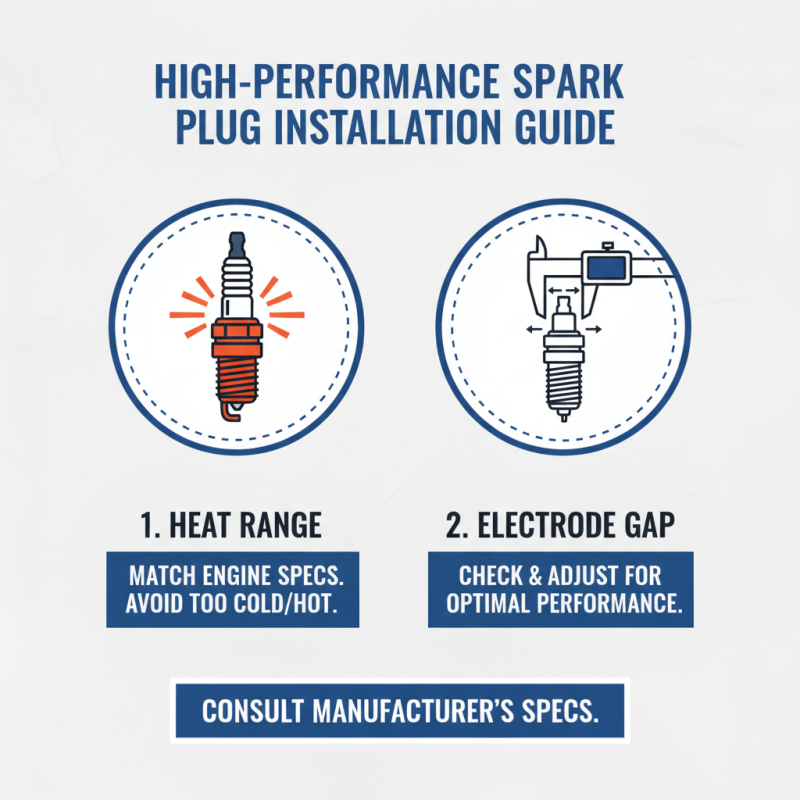
When installing high-performance spark plugs, several key factors must be considered. First, ensure that the spark plug’s heat range matches your engine’s needs. Too cold or too hot can lead to engine issues. Always check the manufacturer’s specifications to find the right heat range. Look for the right electrode gap as well. If it’s not ideal, you might not get optimal performance.
Avoid rushing the installation process. Precision is vital. Take time to clean the threads and inspect the spark plug holes for debris. A little dirt can cause severe problems later. Consider using a torque wrench to avoid overtightening, which can damage the plugs.
Tips for installation:
1. Use anti-seize compound on the threads for easier removal later.
2. Check the spark plugs' alignment before torquing them down.
3. Make sure to connect the ignition wires securely to prevent misfires.
Keep in mind that every car is different. Installing high-performance spark plugs may not yield immediate results. Some drawbacks could include increased fuel consumption or engine noise. Reflect on your car’s performance in the weeks following installation. Adjust expectations as needed and stay informed about your vehicle's requirements.
Maintaining Spark Plugs for Optimal Performance and Longevity
Maintaining spark plugs is crucial for optimal engine performance. Regular inspection and servicing can prolong their lifespan. The average lifespan of spark plugs is about 30,000 miles, but many factors can influence this number. Heat, fuel quality, and driving conditions all play a role. According to industry studies, 20% of drivers overlook routine spark plug checks, leading to reduced engine efficiency.
When cleaning spark plugs, use a wire brush or a specialized cleaner. It's important to inspect for carbon deposits. These deposits can hinder performance and lead to misfires. A report by engine specialists indicated that 40% of engines could benefit from better spark plug maintenance. An overlooked spark plug can decrease fuel efficiency by up to 15%.
During maintenance, checking the spark plug gap is essential. An improperly gapped spark plug can cause rough idling and reduced acceleration. This subtle issue often goes unnoticed by drivers. Clean and correctly gapped plugs ensure efficient combustion. Data suggests that a simple check can enhance engine performance significantly. Ignoring these aspects may lead to unexpected engine troubles down the road. It’s a small detail that holds considerable importance.
Common Myths and Misconceptions About Spark Plugs Explained
When it comes to spark plugs, many drivers hold misconceptions. One common myth is that all spark plugs are the same. This is far from the truth. Different engines require different types of spark plugs. Using the wrong type can lead to poor performance or even damage.
Another misconception is that high-performance spark plugs are necessary for every vehicle. In reality, most cars run perfectly well on standard plugs. Upgrading may not yield noticeable changes for everyday driving. It's crucial to focus on your specific vehicle's needs.
Many also believe that spark plugs last forever. However, they wear out over time and should be replaced regularly. Neglecting this maintenance can affect engine efficiency. Drivers should check their owner’s manual for recommended replacement intervals. A little knowledge goes a long way towards better vehicle performance.
Choosing the Right Replacement: TECHIE Gas Spark Plug vs. Champion RL15B for Optimal Engine Performance
When it comes to maintaining optimal engine performance, choosing the right spark plug is essential. Two popular options for various gas engines are the TECHIE Gas Spark Plug and the Champion RL15B. While both are designed to deliver reliable ignition and enhance engine efficiency, there are key differences that can influence your decision depending on your specific needs.
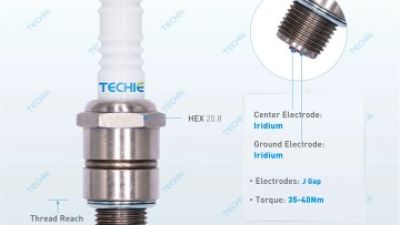
The TECHIE Gas Spark Plug serves as a direct replacement for the Champion RL15B, offering compatibility with a range of gas engines. Users often note that the TECHIE spark plug provides a consistent spark and improved fuel efficiency, thanks to its advanced design and material composition. This can lead to smoother engine operation and potentially longer intervals between maintenance. On the other hand, the Champion RL15B has a long-standing reputation in the market for reliability and performance, making it a trusted choice for many users seeking dependable ignition.
Ultimately, the decision between the TECHIE Gas Spark Plug and the Champion RL15B will depend on your engine type and personal preferences. Factors such as durability, performance under various conditions, and maintenance intervals should all be considered. Both options aim to deliver solid engine performance, but understanding the nuances can help you choose the best fit for your needs.
FAQS
: It enhances productivity, promotes health, and improves daily routines. Users often feel more energized.
Some may notice changes within weeks. For others, it may take several months. Patience is key.
While many benefit from it, some individuals might not experience the same effects. Personal experiences can vary.
No, it's not a substitute for healthy eating. Consider it an addition, not a replacement.
Some users report mild effects. It's important to listen to your body and adjust accordingly.
Start slowly and adjust dosage based on your lifestyle. Consistency is crucial for the best outcomes.
Conclusion
Choosing high performance spark plugs is essential for enhancing your vehicle's engine efficiency and overall performance. Understanding the functions and importance of spark plugs helps drivers appreciate their role in igniting the air-fuel mixture. There are various types of high performance spark plugs available, each designed for specific driving conditions and needs. Key features to consider include material composition, electrode design, and heat range, which significantly impact combustion efficiency and engine response.
Selecting the right spark plug heat range for your car is crucial, as it influences engine temperature management and performance. Proper installation is also vital to avoid misfires and ensure optimal performance. Regular maintenance of high performance spark plugs can prolong their lifespan and effectiveness, while dispelling common myths surrounding them can aid in informed decision-making for car enthusiasts. With the right knowledge, drivers can make informed choices to maximize their vehicle's potential.